· A Reflection
The Lost Keys
The Lost Keys
By Donna Bryant Goertz
Donna Bryant Goertz © 2008
· · ·
Donna Bryant Goertz © 2008
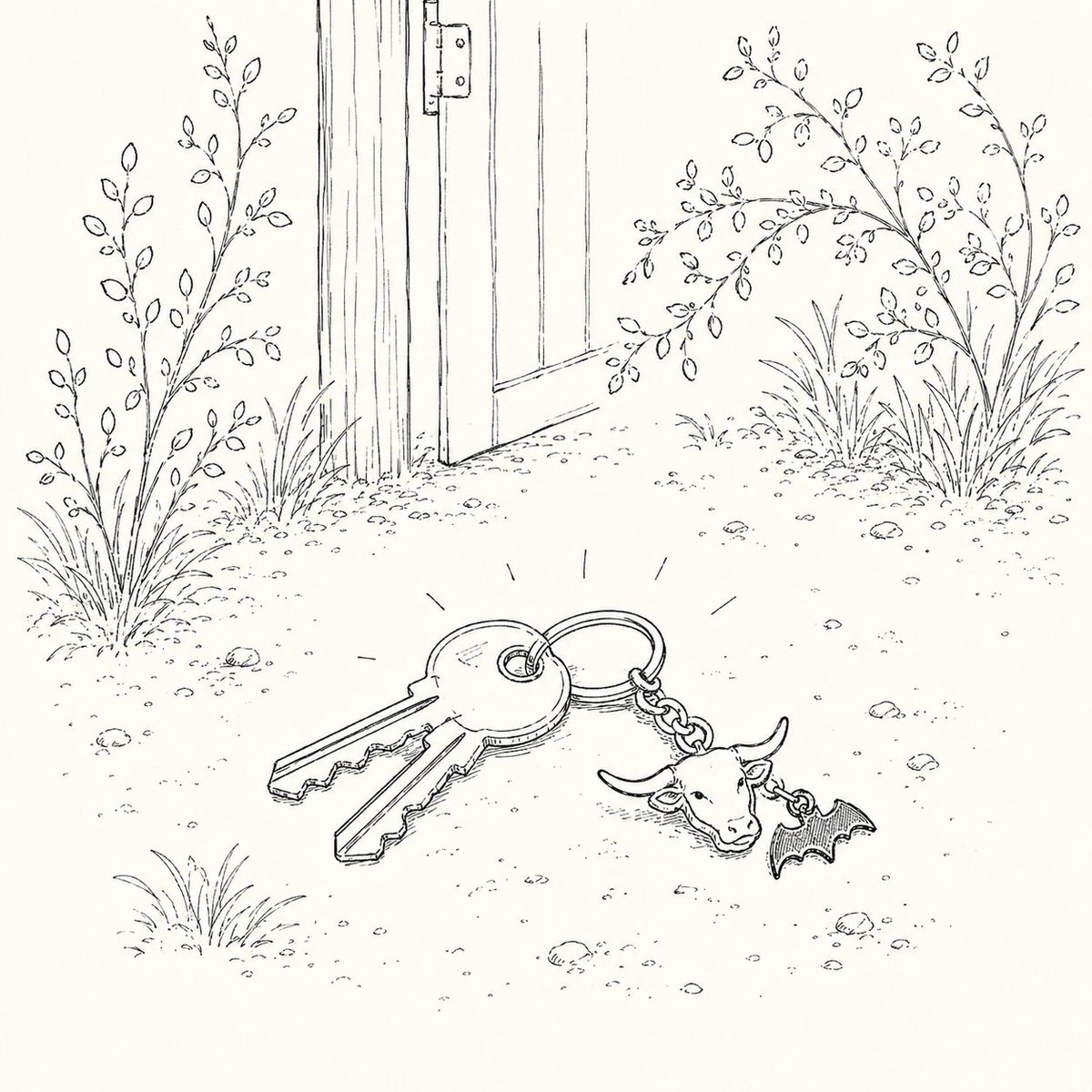
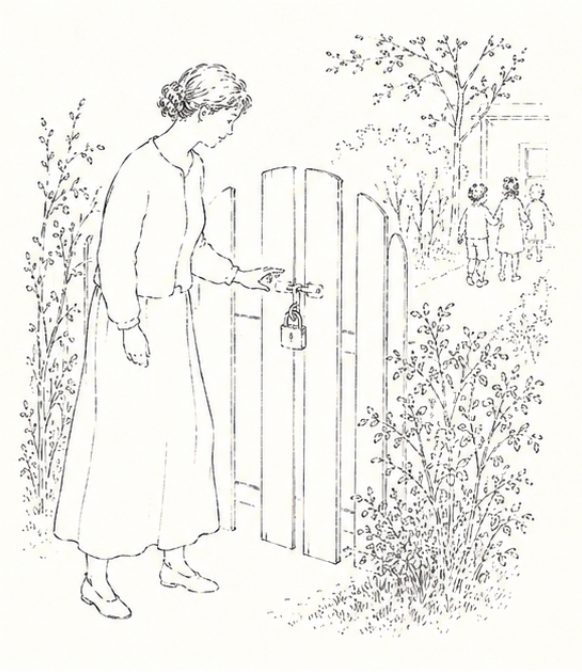
The keys were missing. The early arrival assistant, Sonia, went to the gate to lock it after seeing the children off to their classrooms. The keys were not in the lock where she customarily left them hanging.
After looking in the bushes by the gate, on the counter, and in her purse, just in case they had fallen or she had unconsciously put them in a
different place, Sonia called the office.
different place, Sonia called the office.
I happened to be close by and unoccupied, so I went to help Sonia. Thinking that one of the children had been attracted to the keys and
taken them, I was eager to help handle this in the most developmentally supportive way,
the way that would grow the children’s attachment to truth, not their relationship with lying.
taken them, I was eager to help handle this in the most developmentally supportive way,
the way that would grow the children’s attachment to truth, not their relationship with lying.
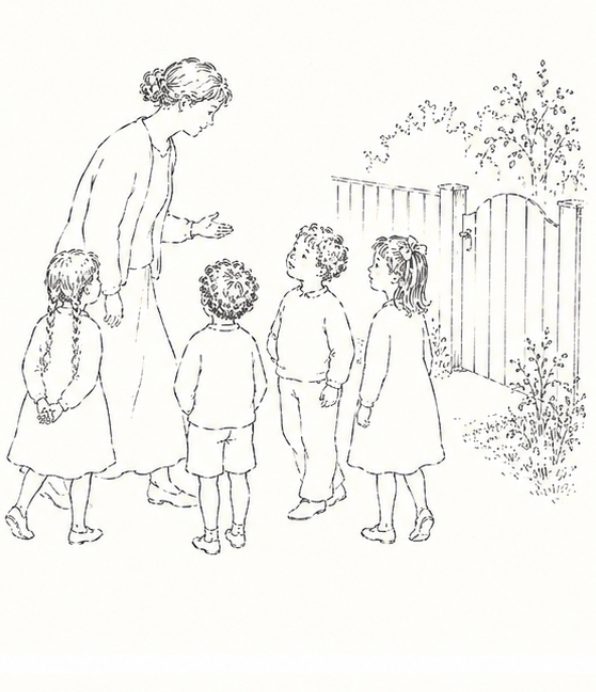
I walked back to the gate with the four and five year-olds who had arrived early, taking
them two at a time. “I need your help,” I said in a casual and friendly manner.
them two at a time. “I need your help,” I said in a casual and friendly manner.
The gate keys are lost. Sonia left them in the gate as usual and now they’re gone. She has
searched everywhere for them. We have to help find them for Sonia.
searched everywhere for them. We have to help find them for Sonia.
Let’s look in the bushes.” I didn’t really think the keys were in the bushes but I wanted to engage the children in finding them, invest them in getting them back where they belonged, and spend a little time establishing that we were not going to approach this in the conventional manner – of a child stealing.
Here we emphasized that our attention would be shifted from the traditional focus of “Who’s the thief?” to a new focus of “How can we get the keys back so Sonia can lock the gate.”
· · ·
Donna Bryant Goertz © 2008
“Sonia needs the keys to unlock the gate again later. See, we could push the padlock
closed and it would be locked. That would work just fine for now, but them when we
needed to unlock the gate again this afternoon, we wouldn’t have the keys to do it.”
closed and it would be locked. That would work just fine for now, but them when we
needed to unlock the gate again this afternoon, we wouldn’t have the keys to do it.”
The children and I looked at the padlock and saw how it worked. We became a team that
shared a relationship, knowledge, information, and a problem. We became a team that
was working on a problem together.
shared a relationship, knowledge, information, and a problem. We became a team that
was working on a problem together.
After searching the bushes we all agreed that the keys were not there. “You know, keys can be very attractive. Children really like keys so much that their parents often put together an old set of keys for them. Key chains can be really attractive too. What kind of key chain did the keys have?”
“They had a Texas Longhorn key chain,” Bobby said. “With a black bat on it too,” added
Sandra.
“Oh that could be very attractive. Somebody could have really liked it and wanted to
have it,” I said. “Somebody could have put it in his or her pocket because he liked it so
much. Then he could take it home and have it to look at and to play with. I would like to
have those keys, wouldn’t you?
“They had a Texas Longhorn key chain,” Bobby said. “With a black bat on it too,” added
Sandra.
“Oh that could be very attractive. Somebody could have really liked it and wanted to
have it,” I said. “Somebody could have put it in his or her pocket because he liked it so
much. Then he could take it home and have it to look at and to play with. I would like to
have those keys, wouldn’t you?
I wonder where that black bat and that Texas Longhorn
came from. I’d like to buy them for myself, wouldn’t you?” Now I was putting the
children at ease with the knowledge that we sometimes want what is not ours, making it
a shared human characteristic. “If somebody took the keys thinking how much he liked
them and how much he wanted to have them for himself, then he might put them in his
pocket without thinking of how much we need them. But, he might be feeling really bad
right now. He might even be wondering about what will happen if he takes them home,
what his mother or father will say, what he’ll do with them, how he’ll feel when he’s in
bed, how he’ll be feeling bad about Sonia needing the keys.”
came from. I’d like to buy them for myself, wouldn’t you?” Now I was putting the
children at ease with the knowledge that we sometimes want what is not ours, making it
a shared human characteristic. “If somebody took the keys thinking how much he liked
them and how much he wanted to have them for himself, then he might put them in his
pocket without thinking of how much we need them. But, he might be feeling really bad
right now. He might even be wondering about what will happen if he takes them home,
what his mother or father will say, what he’ll do with them, how he’ll feel when he’s in
bed, how he’ll be feeling bad about Sonia needing the keys.”
· · ·
Donna Bryant Goertz © 2008
“He’ll feel bad,” said Denny. “His mom might get mad. He might cry in his bed.” Now I
was leading the children to think this through from various different angles. I wasn’t
threatening them, frightening them, or cornering them to tell the truth.
was leading the children to think this through from various different angles. I wasn’t
threatening them, frightening them, or cornering them to tell the truth.
I wasn’t moralizing to them about abstract ideas of thievery and the future of those who indulge
themselves. I wasn’t giving them feelings of guilt or shame about abstract ideas of lying. I
was leading them to grow in relation to other people and their needs. I was leading them
to explore their own feelings. “If someone took the keys and put them in his pocket, if he was feeling bad and wanting Sonia to have the keys back, what could he do now? He could give the keys back but
maybe he would be embarrassed about it.”
“Yes,” said Bobby. “He’d be scared. He wouldn’t want anybody to see him.”
“Maybe he could just drop the keys on the ground right on the sidewalk so we could find
them,” I suggested. “Then he’d feel better. Then Sonia would have the keys and he
wouldn’t have to go home with them in his pocket. Then he wouldn’t have to feel bad.”
themselves. I wasn’t giving them feelings of guilt or shame about abstract ideas of lying. I
was leading them to grow in relation to other people and their needs. I was leading them
to explore their own feelings. “If someone took the keys and put them in his pocket, if he was feeling bad and wanting Sonia to have the keys back, what could he do now? He could give the keys back but
maybe he would be embarrassed about it.”
“Yes,” said Bobby. “He’d be scared. He wouldn’t want anybody to see him.”
“Maybe he could just drop the keys on the ground right on the sidewalk so we could find
them,” I suggested. “Then he’d feel better. Then Sonia would have the keys and he
wouldn’t have to go home with them in his pocket. Then he wouldn’t have to feel bad.”
· · ·
Donna Bryant Goertz © 2008
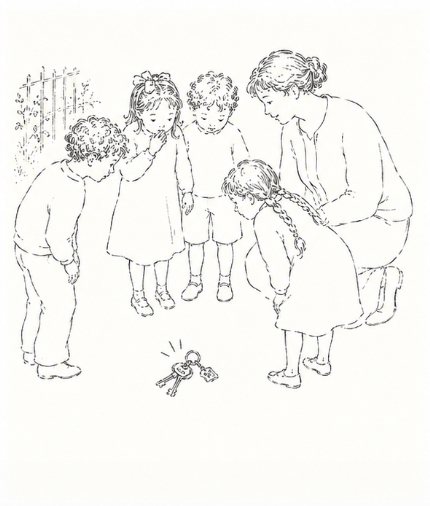
When I was taking the third group of children on the walk and making the same
statements to them, the keys clinked to the sidewalk. We were very careful not to notice
which pocket they had come from or which hand had tossed them.
“See,” I said, “how wise and strong somebody is, and how brave. See how much he cared
about Sonia and how much he didn’t want to feel bad at home or make his parents upset!
Next time he may be able grow even braver and wiser and stronger and say, ‘I have the
keys,’ but for now he has made sure we could get the keys back to Sonia.”
We take the steps of growth as they come and acknowledge and admire them. We
show confidence that the children are always growing and developing as best they can, as
well as we can support them to do so. They will achieve according to the environment we
provide for them and the relationship we establish with them. They will take on the
values we hold high for them, those which we invite and encourage them toward.
statements to them, the keys clinked to the sidewalk. We were very careful not to notice
which pocket they had come from or which hand had tossed them.
“See,” I said, “how wise and strong somebody is, and how brave. See how much he cared
about Sonia and how much he didn’t want to feel bad at home or make his parents upset!
Next time he may be able grow even braver and wiser and stronger and say, ‘I have the
keys,’ but for now he has made sure we could get the keys back to Sonia.”
We take the steps of growth as they come and acknowledge and admire them. We
show confidence that the children are always growing and developing as best they can, as
well as we can support them to do so. They will achieve according to the environment we
provide for them and the relationship we establish with them. They will take on the
values we hold high for them, those which we invite and encourage them toward.
~ Living Montessori ~